
More than one in four American employees consider leaving their job each year, signaling a persistent challenge for companies nationwide. High turnover impacts productivity, team morale, and business costs, making Human Resources strategies crucial for any organization hoping to thrive. This article explores how targeted HR approaches can help American businesses retain talent and create environments where employees want to stay.
Table of Contents
- Defining HR’s Role In Employee Turnover
- Key Drivers Of Employee Turnover Today
- Predictive Analytics And Turnover Prevention
- Strategic Retention Initiatives By HR
- Common Pitfalls And Best Practices
Key Takeaways
| Point | Details |
|---|---|
| HR as Strategic Partner | Human Resources must transition from administrative duties to strategic roles that focus on employee engagement and retention. |
| Data-Driven Approaches | Implement analytics and predictive models to identify potential turnover risks and address them proactively. |
| Holistic Retention Strategies | Create comprehensive retention initiatives that address not just salary, but career development, workplace culture, and work-life balance. |
| Continuous Adaptation | Regularly assess organizational culture and employee feedback to refine retention tactics and respond effectively to workforce dynamics. |
Defining HR’s Role in Employee Turnover
Human Resources departments play a pivotal role in managing and mitigating employee turnover, serving as strategic partners in organizational retention efforts. HR professionals are uniquely positioned to understand, predict, and address workforce dynamics that contribute to employee departures. Their responsibilities extend far beyond traditional administrative functions, transforming into critical strategic architects of workplace engagement and talent management.
At the core of HR’s turnover management strategy is a multifaceted approach that involves comprehensive talent assessment, cultural alignment, and proactive retention interventions. By leveraging data-driven insights and understanding employee needs, HR teams can develop targeted strategies that address root causes of workforce instability. This requires a nuanced understanding of organizational psychology, workforce trends, and individual employee motivations.
Effective turnover management demands HR professionals to perform several key functions. These include conducting exit interviews, analyzing turnover patterns, developing robust recruitment and onboarding processes, and creating employee development programs that foster long-term commitment. Strategic HR leaders recognize that employee retention solutions are not one-size-fits-all but require customized approaches tailored to specific organizational contexts and workforce demographics.
Pro Tip – Retention Strategy: Develop a systematic approach to tracking and analyzing employee engagement metrics, creating predictive models that identify potential flight risks before they become actual turnover events.
Key HR Turnover Management Responsibilities:
- Conducting comprehensive workforce analytics
- Designing competitive compensation and benefits packages
- Creating professional development pathways
- Implementing employee engagement initiatives
- Establishing transparent communication channels
Pro Tip – Data-Driven Insights: Implement regular pulse surveys and sentiment tracking to gain real-time understanding of workforce morale and potential retention challenges.
Key Drivers of Employee Turnover Today
Modern workplace dynamics have dramatically transformed, introducing complex challenges that significantly impact employee retention. Organizations now face unprecedented turnover rates driven by multifaceted factors that extend beyond traditional compensation considerations. Workplace satisfaction has become a nuanced ecosystem where financial incentives represent just one dimension of employee engagement and commitment.
Research indicates that contemporary professionals prioritize holistic workplace experiences over mere monetary compensation. Comprehensive studies on workforce motivation reveal that employees increasingly seek environments offering personal growth, meaningful work, and robust support systems. This shift demands that organizations reimagine their approach to talent management, recognizing that retention strategies must address psychological and professional development needs alongside financial expectations.
The primary drivers of employee turnover in today’s landscape encompass several critical dimensions. These include inadequate career progression opportunities, poor organizational culture, limited professional development pathways, misalignment between personal values and corporate mission, insufficient work flexibility, and suboptimal compensation structures. Each factor interacts dynamically, creating complex retention challenges that require sophisticated, nuanced organizational responses.
Key Contemporary Turnover Drivers:
- Lack of meaningful career advancement
- Insufficient professional development programs
- Poor workplace culture and interpersonal dynamics
- Limited work flexibility and autonomy
- Compensation structures misaligned with market standards
- Minimal recognition and appreciation mechanisms
Pro Tip – Retention Assessment: Conduct regular, anonymous workforce sentiment surveys to proactively identify potential retention risks and develop targeted intervention strategies before employees consider leaving.
Pro Tip – Engagement Strategy: Implement personalized career development frameworks that demonstrate genuine organizational investment in individual employee growth trajectories.
Here’s a comparison of common employee turnover drivers and HR’s potential response strategies:
| Turnover Driver | Example Scenario | HR Response Strategy |
|---|---|---|
| Limited career progression | Lack of internal promotions | Implement personalized development plans |
| Poor organizational culture | High conflict among teams | Facilitate culture-building workshops |
| Insufficient work flexibility | Rigid office attendance policy | Offer remote or hybrid options |
| Misaligned compensation | Pay below industry standard | Benchmark and adjust pay structures |
| Minimal recognition and feedback | Few performance appraisals | Launch regular feedback initiatives |
Predictive Analytics and Turnover Prevention
Predictive analytics has emerged as a transformative approach in understanding and mitigating employee turnover, providing organizations with unprecedented insights into workforce dynamics. By leveraging advanced data science techniques, companies can now anticipate potential retention challenges before they escalate into critical talent loss scenarios. This proactive strategy shifts HR from a reactive administrative function to a strategic, intelligence-driven organizational pillar.
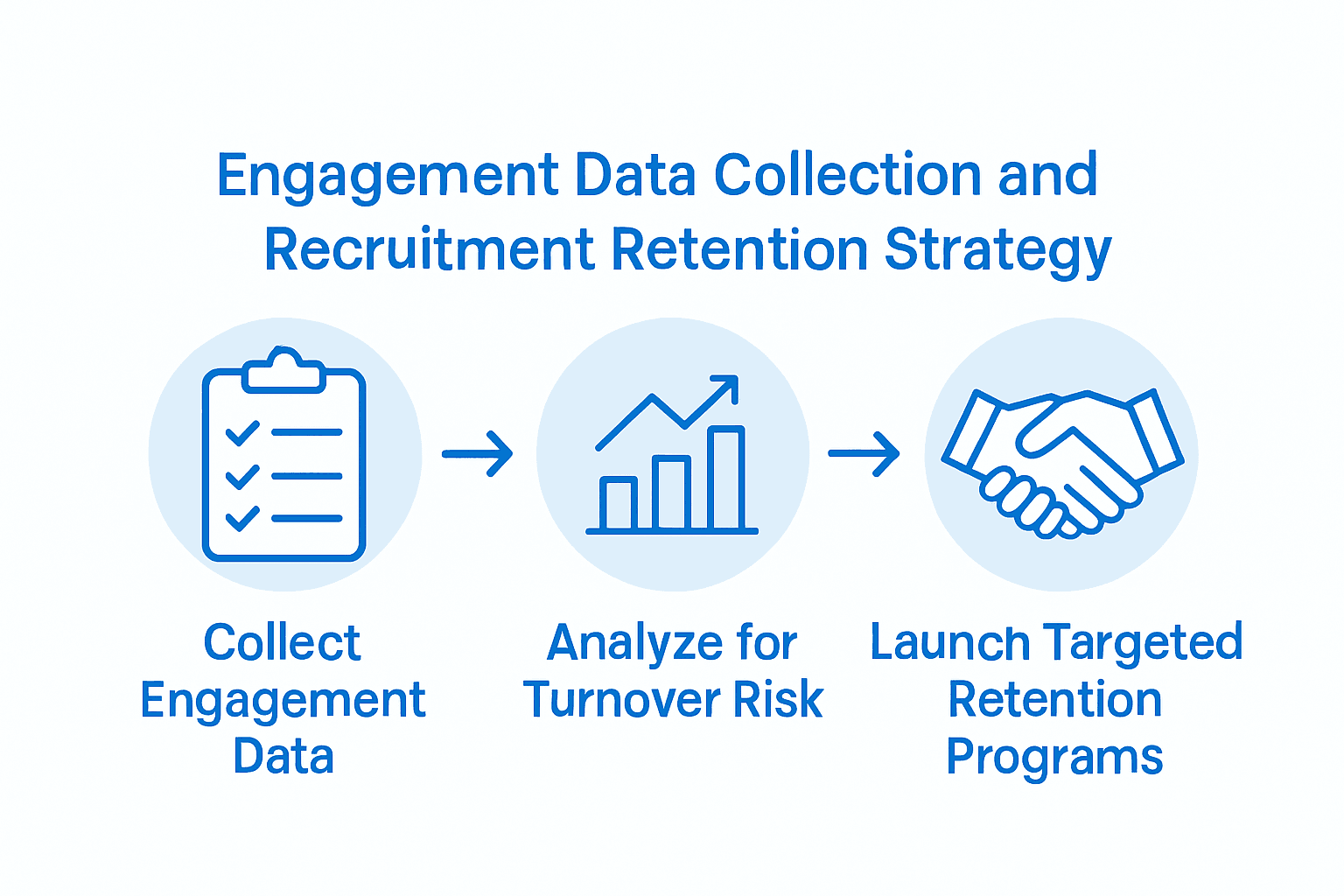
Advanced machine learning techniques for workforce analytics have revolutionized how organizations approach employee retention. These sophisticated models analyze multiple data points, including performance metrics, engagement surveys, professional development trajectories, compensation history, and interpersonal workplace interactions. By identifying subtle patterns and early warning signals, predictive analytics enables HR professionals to develop targeted interventions that address potential flight risks before employees consider leaving.
The core methodology of predictive turnover analytics involves complex data engineering and machine learning algorithms that can process vast amounts of organizational data. These models typically integrate historical workforce information, current performance indicators, behavioral patterns, and contextual workplace factors to generate probabilistic predictions about employee retention. Key variables might include job satisfaction scores, professional growth opportunities, compensation alignment, team dynamics, and individual career aspirations.
Key Components of Predictive Turnover Analytics:
- Comprehensive data collection across multiple organizational dimensions
- Advanced statistical modeling and machine learning algorithms
- Continuous monitoring of workforce sentiment and engagement
- Personalized risk assessment for individual employees
- Proactive intervention strategy development
- Real-time tracking of potential retention challenges
Pro Tip – Analytical Approach: Develop a holistic data collection framework that captures nuanced employee experiences, ensuring your predictive models reflect the complexity of human workplace interactions.
Pro Tip – Intervention Strategy: Design flexible, personalized retention plans that can be quickly deployed based on predictive analytics insights, demonstrating organizational commitment to individual employee success.
Strategic Retention Initiatives by HR
Strategic retention initiatives represent a critical evolutionary approach to workforce management, transforming traditional HR practices into proactive talent preservation strategies. Modern organizations recognize that retention is not merely about preventing employee departure, but about creating holistic workplace environments that genuinely inspire professional commitment and personal growth.

Comprehensive career development programs have emerged as a cornerstone of effective retention strategies, demonstrating that employees value organizational investment in their professional trajectories. These initiatives go beyond standard training, offering personalized growth pathways that align individual aspirations with organizational objectives. By creating transparent, meaningful advancement opportunities, HR can significantly reduce turnover and cultivate a culture of continuous learning and mutual commitment.
The most successful retention initiatives integrate multiple strategic dimensions, addressing both professional and personal employee needs. This holistic approach encompasses competitive compensation structures, flexible work arrangements, robust mental health support, meaningful recognition programs, and opportunities for cross-functional skill development. Each initiative must be carefully designed to reflect the unique cultural and operational context of the specific organization, recognizing that one-size-fits-all approaches are fundamentally ineffective in today’s diverse workplace environments.
Key Strategic Retention Initiatives:
- Personalized career development roadmaps
- Competitive and transparent compensation frameworks
- Flexible work arrangement options
- Comprehensive professional training programs
- Mental health and wellness support systems
- Regular performance feedback mechanisms
- Cross-functional skill development opportunities
Pro Tip – Customization Strategy: Design retention programs that are adaptable and personalized, recognizing that individual employees have unique professional aspirations and motivational triggers.
Pro Tip – Continuous Improvement: Implement regular feedback loops that allow employees to provide direct input into retention and development initiatives, ensuring ongoing relevance and effectiveness.
The table below summarizes the business impact of selected HR retention initiatives:
| HR Initiative | Intended Outcome | Business Impact |
|---|---|---|
| Career development pathways | Support internal mobility | Higher employee retention |
| Flexible work arrangements | Improve work-life balance | Increased job satisfaction |
| Mental wellness programs | Decrease workplace stress | Fewer absence and health claims |
| Transparent compensation | Reduce pay dissatisfaction | Boosted motivation and trust |
| Performance feedback mechanisms | Clarify growth expectations | Enhanced productivity and focus |
Common Pitfalls and Best Practices
Navigating employee retention requires a nuanced understanding of both organizational vulnerabilities and strategic opportunities. Many companies inadvertently create toxic retention environments by implementing superficial or misaligned strategies that fail to address fundamental workforce needs. Organizational culture plays a critical role in determining whether retention initiatives will succeed or collapse under their own ineffectiveness.
Strategic employee engagement approaches demonstrate that successful retention goes far beyond traditional monetary incentives. Organizations must create comprehensive ecosystems that prioritize meaningful professional development, psychological safety, and genuine investment in individual employee trajectories. The most common pitfalls emerge when companies treat retention as a transactional process rather than a holistic, relationship-driven strategy.
Effective retention strategies require continuous adaptation and a deep commitment to understanding workforce dynamics. This involves creating transparent communication channels, developing personalized career progression frameworks, and maintaining a flexible approach that recognizes the unique motivational triggers of different employee segments. Leaders must cultivate an environment of trust, where employees feel genuinely valued and see clear pathways for professional and personal growth.
Critical Retention Pitfalls to Avoid:
- Implementing generic, one-size-fits-all retention programs
- Neglecting individual employee career aspirations
- Failing to provide meaningful professional development
- Overlooking work-life balance considerations
- Maintaining rigid, hierarchical organizational structures
- Inconsistent performance feedback mechanisms
- Ignoring emerging workforce technological trends
Best Practices for Sustainable Retention:
- Create personalized career development roadmaps
- Establish transparent performance evaluation processes
- Offer flexible work arrangement options
- Invest in continuous learning opportunities
- Develop robust mentorship programs
- Implement competitive compensation structures
- Foster a culture of psychological safety
Pro Tip – Cultural Assessment: Regularly conduct comprehensive organizational culture audits to identify potential retention barriers and emerging workforce expectations.
Pro Tip – Adaptive Strategy: Design retention initiatives with built-in flexibility, allowing for rapid adjustment based on real-time employee feedback and evolving workplace dynamics.
Transform HR Insights Into Lasting Employee Retention Success
The article highlights the critical challenge HR faces in identifying and addressing employee turnover through data-driven strategies such as predictive analytics and personalized development plans. If you struggle with understanding who is truly at risk of quitting or need targeted, actionable solutions that align employee values and interpersonal dynamics, you are not alone. Key pain points like limited career progression, poor culture fit, and misaligned compensation demand precise and proactive approaches—not guesswork.
OpenElevator is designed to empower HR leaders with a proprietary algorithm that goes beyond traditional analytics. Our platform quickly uncovers values alignment and interpersonal fit — two proven factors that predict turnover risk and engagement. By using a simple 5-minute unbiased survey, you gain powerful insights into who needs your attention now and how to craft retention strategies that work. From startups to Fortune 500s, companies trust OpenElevator to turn complex retention challenges into clear, customized solutions. Take control of your workforce stability today by visiting OpenElevator and discovering how to reduce turnover with data-driven precision.
Frequently Asked Questions
What is HR’s role in managing employee turnover?
Human Resources plays a crucial role in managing employee turnover by designing and implementing retention strategies, conducting exit interviews, analyzing workforce data, and fostering a positive workplace culture that encourages employee engagement and satisfaction.
What are the key drivers of employee turnover today?
The primary drivers of employee turnover include inadequate career progression opportunities, poor organizational culture, limited professional development, insufficient work flexibility, misalignment between personal values and corporate missions, and inadequate compensation structures.
How can predictive analytics help in turnover prevention?
Predictive analytics helps by leveraging data to identify potential retention risks before they materialize. It analyzes employees’ performance metrics, engagement levels, and other key indicators to forecast turnover trends, enabling HR teams to implement timely interventions.
What are effective retention strategies that HR can implement?
Effective retention strategies include creating personalized career development plans, providing competitive compensation, offering flexible work arrangements, establishing robust professional training programs, and fostering a culture of recognition and feedback.